produced each year
emitted annually from production
fibre on the market
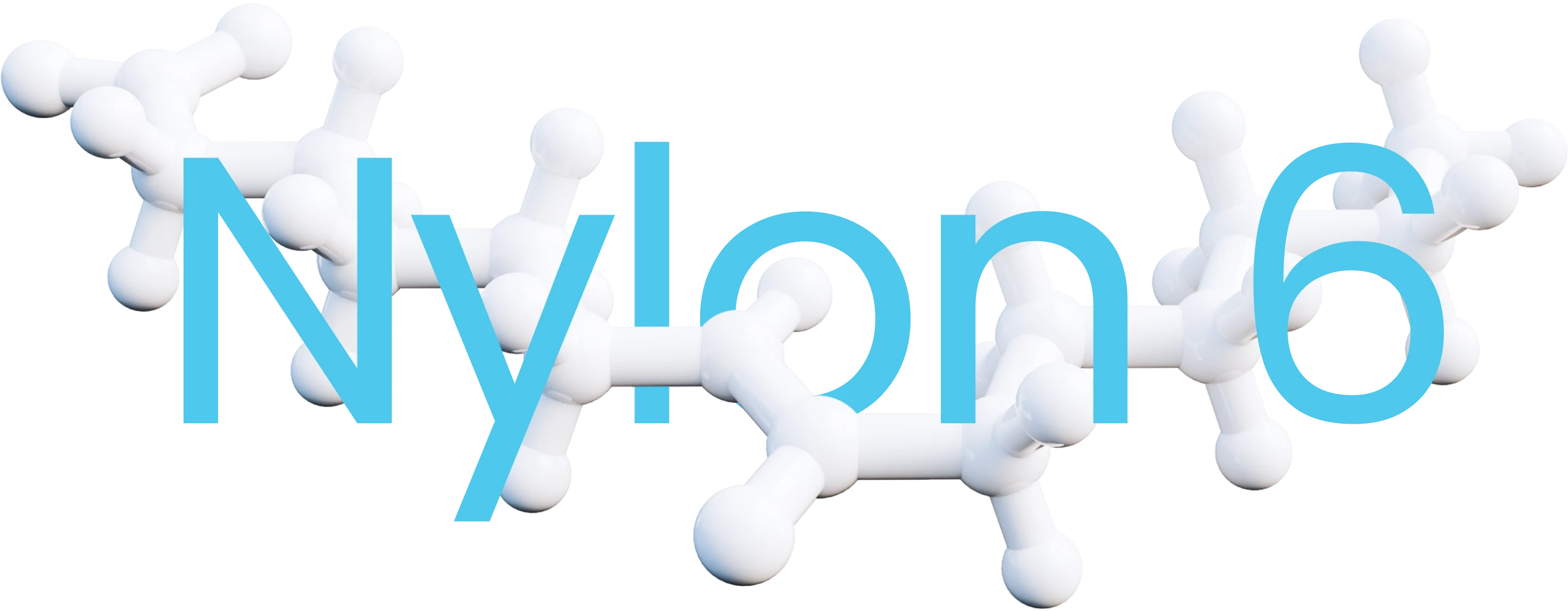
Nylon 6 is one of the world’s most widely used plastics. Its balance of performance and value has driven huge growth across performance textiles, carpets, automotive components, industrial and high-barrier packaging.
Unlike many plastics, nylon 6 has a history of recycling. Mechanical recycling has been used for decades, and more recently chemical recycling technologies have emerged to break nylon 6 back down into monomers for reuse in virgin-quality materials.
However, scale has exposed the limits of current solutions. Mechanical recycling degrades performance which severely limits applications; while chemical recycling requires pure feedstocks with limited availability, and processing involves high energy use which drives up cost and emissions.
As a result, the vast majority of nylon 6 still follows a linear path from fossil resources to waste. To unlock true circularity, nylon 6 needs a low-carbon recycling pathway that can handle real-world waste streams at industrial scale. Epoch's breakthrough enzymatic technology will take nylon 6 from 'recyclable' to 'recycled'.
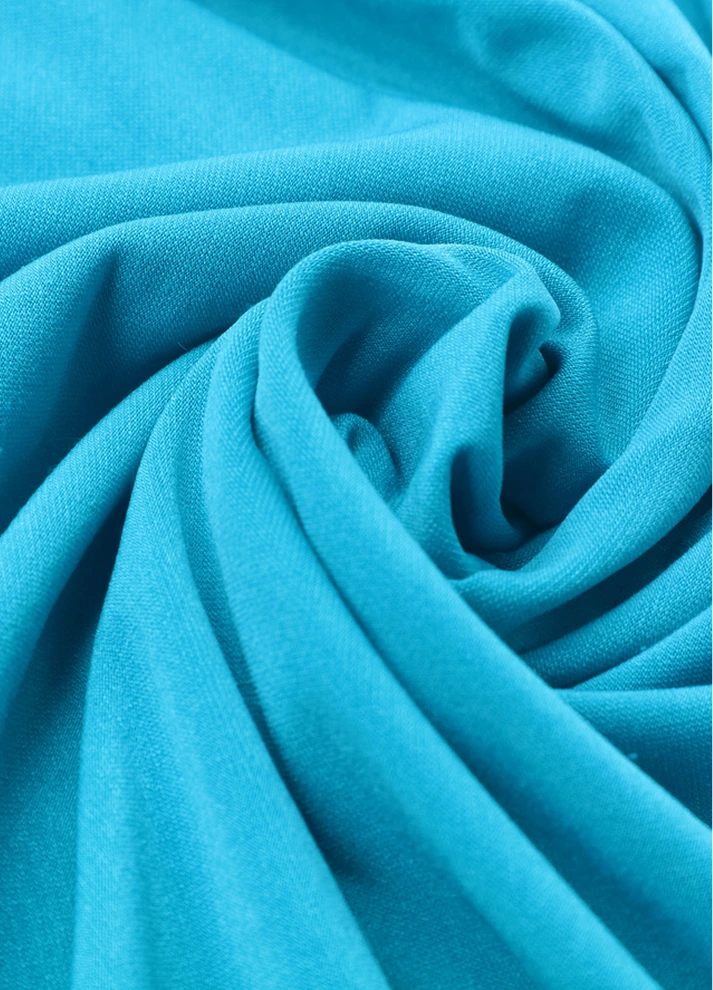

Apparel, carpets,
nets, ropes
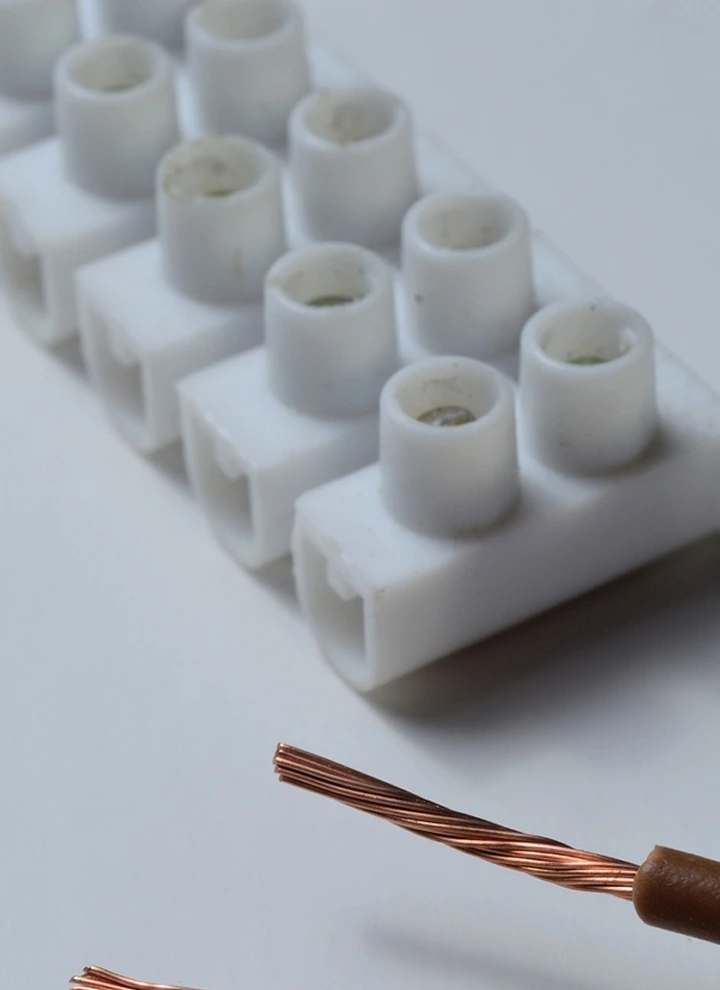
Electronics, connectors, gears
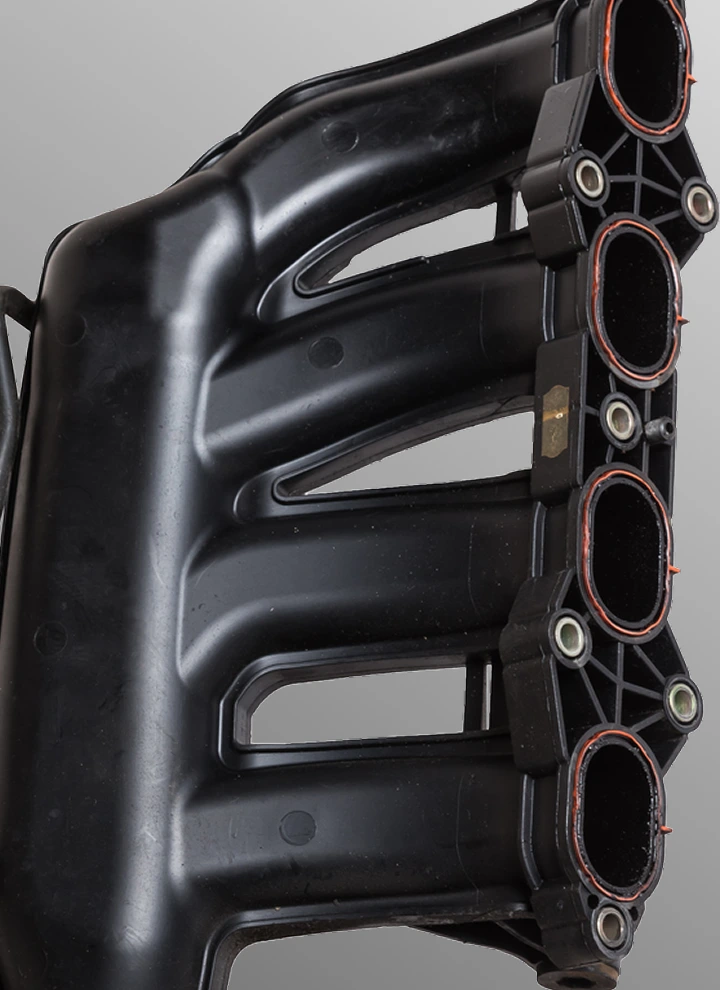
Interiors, engine components
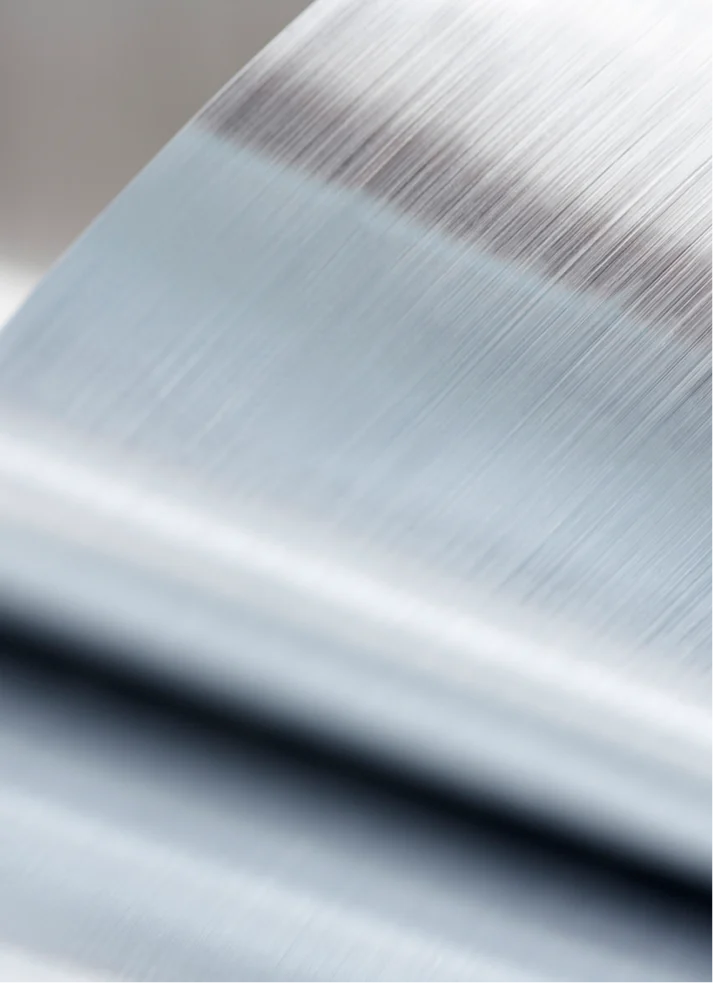
Food, pharmaceutical, specialty films
Introducing
Forever Recycling

All feedstocks welcome
We accept nylon 6 from a wide range of mixed waste streams, regardless of form, colour, or composition. Hard plastics and textiles, compounded and coated. Even elastane blends and flexible films are no match for our enzymes, which target and recover nylon 6 from any feedstock.
Biology, not brute force
Our process is powered by highly selective biological catalysts that operate at room temperature and atmospheric pressure. These unlock ultra-low energy usage, dramatically reducing production emissions, and creating a clear pathway to low-cost, scalable recycling.
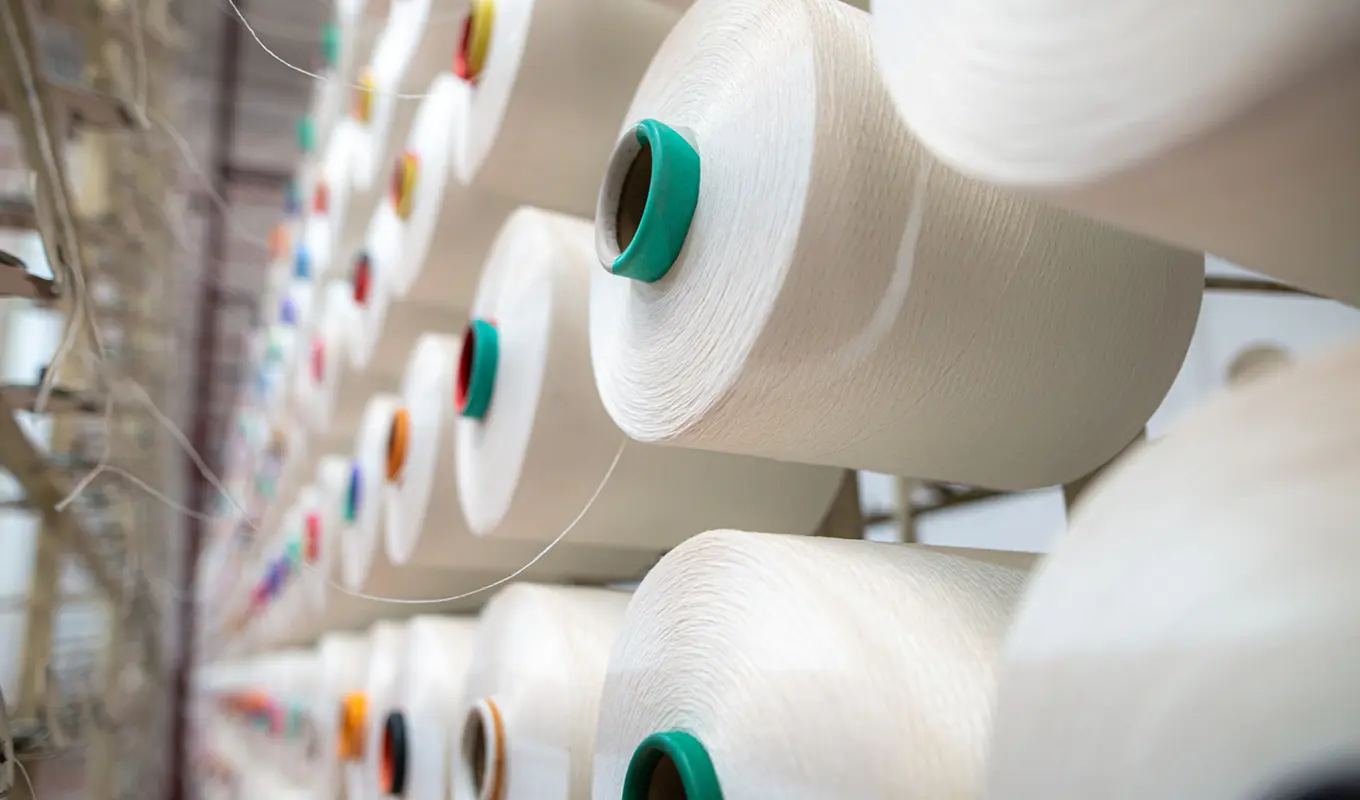
Virgin-quality purity, drop-in compatibility
We produce virgin-quality recycled nylon 6, suitable for the most highly technical applications. Because the polymer meets these specifications, it can be processed as a drop-in replacement across automotive, textile and industrial applications, preserving established relationships and without disruption to existing supply chains.
Product Specification

Our Ecosystem: